Premium vs. Value: Which Golf Ball Truly Matches Your Game and Budget?
We've all been there. You step up to the first tee on a crisp Saturday morning, unbox a fresh sleeve of $55 Tour-level golf balls, and tee one up. You take a practice swing, step over the ball, and promptly slice it into the deepest, darkest woods on the right side of the fairway. In a matter of seconds, you've lost five dollars.
For many weekend warriors, this is a painful reality. It raises an age-old question in the golf world: Are premium golf balls actually worth the hefty price tag, or would a value ball do the job just as well?
At BirdieFinder.Golf, we believe that playing the right equipment can shave strokes off your handicap. But playing the right equipment doesn't always mean playing the most expensive equipment. Today, we're diving deep into the premium vs. value golf ball debate to help you figure out exactly which type of ball belongs in your bag, based on your swing, your short game, and your budget.
The Anatomy of a Golf Ball: What Are You Actually Paying For?
Before we can compare premium and value options, we have to look under the hood. To the naked eye, a $1.50 golf ball and a $5.00 golf ball look nearly identical. They're white (usually), round, and covered in dimples. But cut them in half, and the differences become stark.
The Core and Mantle Layers
Value balls are typically "two-piece" designs. They feature a large, solid rubber core surrounded by a tough outer cover. This straightforward construction is built for two things: raw distance and maximum durability.
Premium balls, on the other hand, boast a multi-layer construction—often three, four, or even five pieces. These additional "mantle" layers between the core and the cover are engineered to optimize spin profiles across different clubs. They allow the ball to spin less off the driver (for distance and accuracy) while spinning more off the wedges (for greenside control).
The Cover Material: Urethane vs. Ionomer
If there is a single defining factor separating premium balls from value balls, it is the cover material.
- Ionomer/Surlyn: Used on almost all value balls. It is incredibly durable, resistant to scuffing, and promotes lower spin, which helps reduce hooks and slices.
- Cast Urethane: Used on premium, Tour-level balls. Urethane is softer and more flexible. When a wedge strikes a urethane ball, the grooves grip the soft cover, creating the high spin needed to stop the ball dead on the green.
The Premium Tier: Tour-Level Performance
When we talk about premium golf balls, we're talking about the models you see the pros playing on TV every weekend. These balls are loaded with technology, featuring high-compression cores, multiple mantle layers, and ultra-soft urethane covers.
Who Should Play Premium Balls?
Premium balls are designed for low-to-mid handicappers with relatively fast swing speeds. If you have the ability to consistently strike the ball in the center of the face, and you rely on generating high spin to stop the ball on fast greens, a premium ball is an absolute necessity. The multi-layer construction allows skilled players to "work" the ball, hitting draws and fades on command.
"Premium balls don't automatically make you a better golfer, but they give a good golfer the tools needed to execute high-level shots."
Featured Premium Pick: Callaway Chrome Soft X
If you're looking for top-tier performance, the Callaway Golf Chrome Soft X Golf Balls are a phenomenal choice.
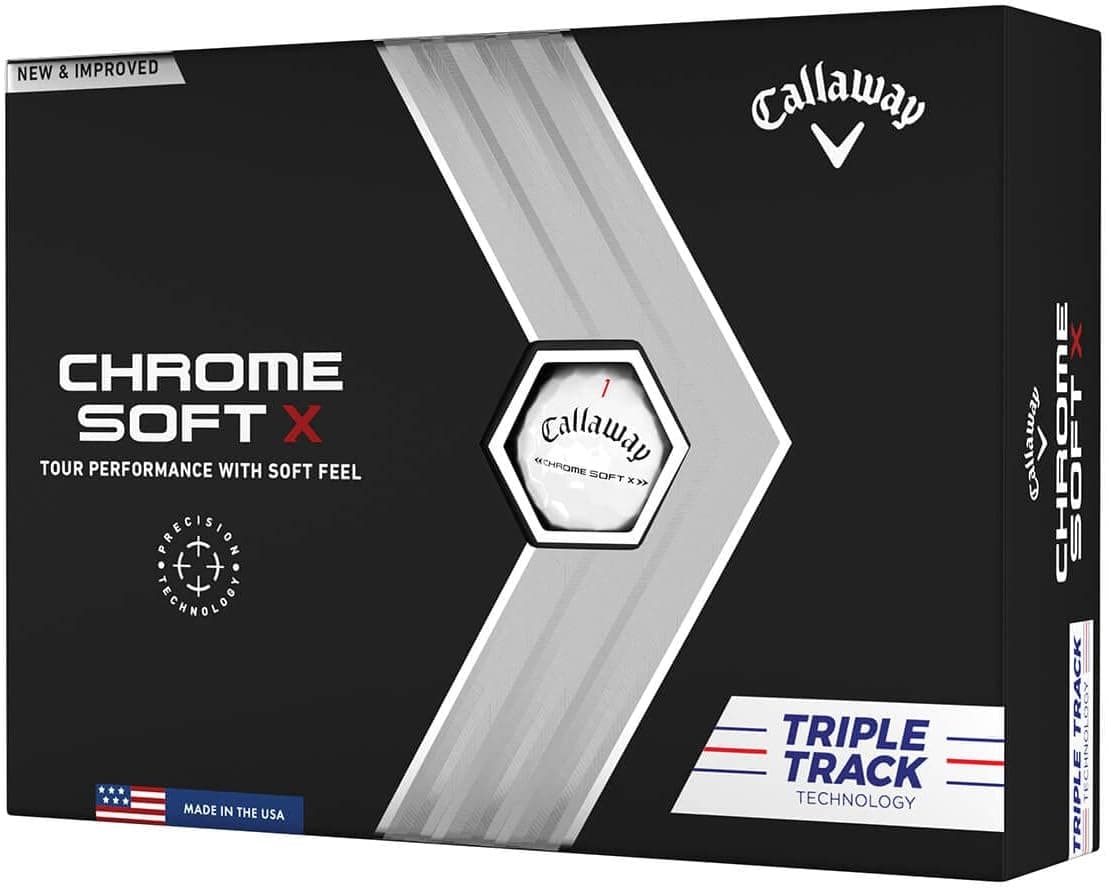
Callaway Golf Chrome Soft X Golf Balls
From$44.99
New Precision Technology delivers our tightest dispersion, consistently fast ball speeds and total performance. We’ve enhanced every component and design feature to create the highest quality golf balls. New Hyper Elastic SoftFast Core for Tour level speed, spin, and control through the bag. Consistent ball flight at every condition with our Tour Aero design. Chrome Soft X is Callaway’s ball on Tours worldwide. It’s a great option for the better, faster-swinging players who want excellent spin consistency, high ball speeds off the tee, workable iron shots, and Tour level short game control.
#ad — As an Amazon Associate I earn from qualifying purchases.
Utilizing Callaway's Precision Technology and a new Hyper Elastic SoftFast Core, the Chrome Soft X is built for Tour-level speed, spin, and control. It's the ball of choice for many of Callaway's staff professionals because it offers an incredibly tight dispersion rate and workable iron shots.
Pros of Premium Balls:
- Unmatched greenside spin and control (the "drop and stop" effect).
- Multi-layer design optimizes spin for every club in the bag.
- Softer feel off the putter face.
Cons of Premium Balls:
- Expensive (often $50+ per dozen).
- High spin can exacerbate a hook or slice for higher handicappers.
- Urethane covers scuff more easily than ionomer.
The Value Tier: Distance, Durability, and Dollar Savings
Value balls are the unsung heroes of the local municipal course. Engineered primarily as two-piece ionomer balls, they focus on keeping the game accessible, enjoyable, and affordable.
Who Should Play Value Balls?
If you are a beginner, a high handicapper, or a player with a slower swing speed, a value ball is likely your best friend. Because they are designed for low spin, value balls actually help mask swing flaws. A slice won't spin quite as violently out of bounds with a two-piece ionomer ball as it would with a Tour ball.
Furthermore, many value balls feature lower compression ratings. If you swing the driver under 90 mph, a low-compression value ball allows you to properly compress the core, maximizing your distance potential.
Featured Value Pick: TaylorMade Noodle Long & Soft
The TaylorMade Noodle Long & Soft 15 BP Golf Balls represent the pinnacle of value and reliability.
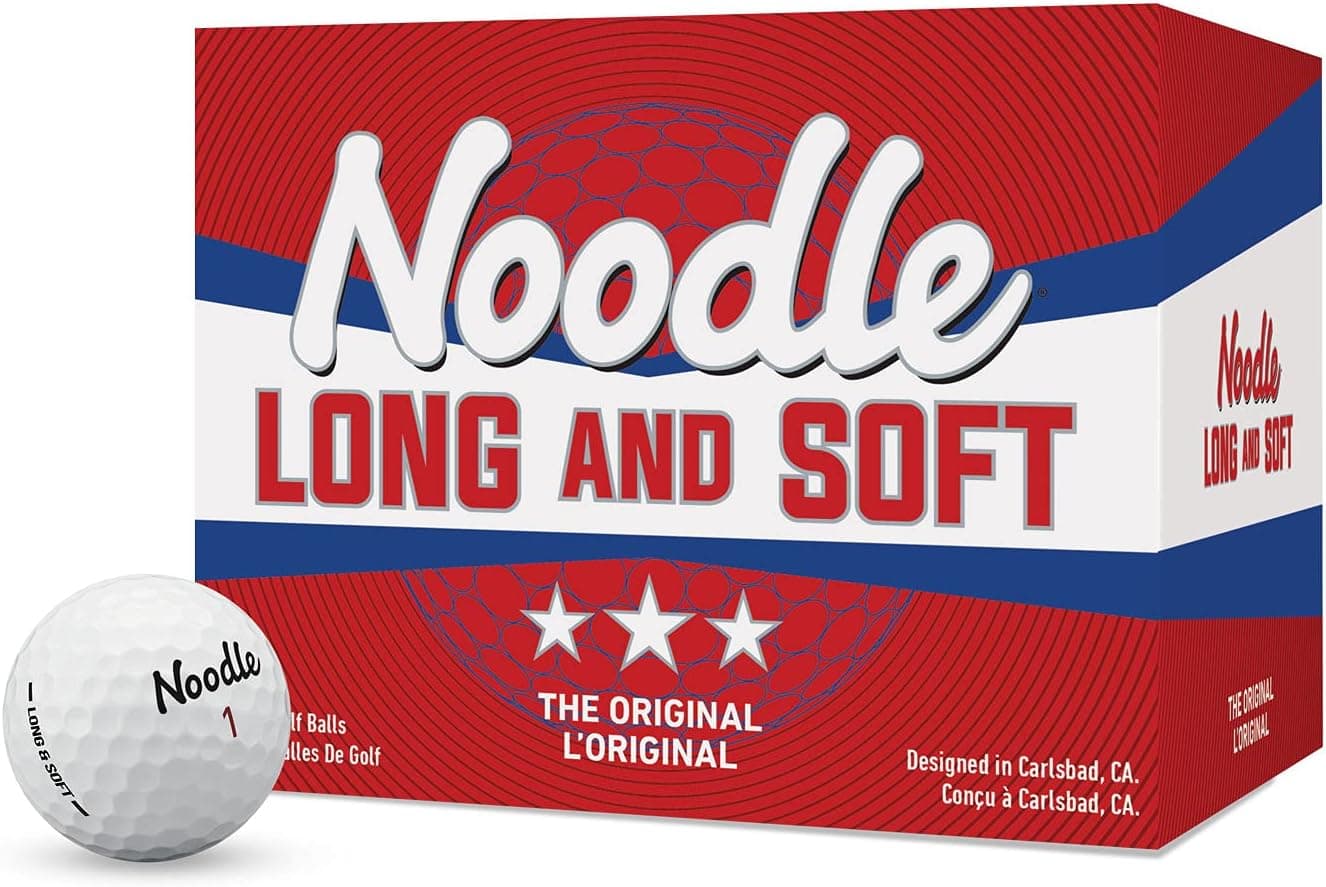
TaylorMade Noodle Long & Soft 15 BP Golf Balls
$18.99
Introducing Noodle Long & Soft golf balls by TaylorMade, designed for golfers seeking both distance and a soft feel. These high-performing golf balls feature a durable and soft iothane cover, an innovative impact propulsion core for longer carries, and a dimple design that enhances aerodynamic efficiency. With 342 dimples strategically placed to reduce air resistance, these soft golf balls are perfect for players of all skill levels, including beginners. The responsive 34 compression core provides excellent feedback for an enjoyable putting experience on the green. Whether you’re looking for effective golf accessories or new golf gear, these TaylorMade golf balls are versatile enough for any situation. Ideal for recreational and senior golfers, Noodle Long & Soft golf balls enhance your golf game with precision-engineered performance. Choose these low compression golf balls for a comfortable and confident feel with every swing. Enhance your golf experience and improve your skills with this exceptional ball, a great addition to your next tee off.
#ad — As an Amazon Associate I earn from qualifying purchases.
With an ultra-low 34-compression core, the Noodle is famous for living up to its name—providing exceptional distance while maintaining a soft, satisfying feel off the clubface. The durable iothane (ionomer) cover ensures that even if you bounce a shot off the cart path, the ball will survive for the next hole. Plus, at their highly approachable price point, losing a Noodle in the water hazard doesn't ruin your day.
Note: For players looking for a bit more firmness and speed in this category, the TaylorMade Golf Distance+ Golf Balls are another fantastic value option focused purely on maximum yardage.
Pros of Value Balls:
- Highly affordable, reducing the stress of losing golf balls.
- Low spin off the tee helps keep errant shots straighter.
- Exceptional durability; resists scuffs from trees and cart paths.
- Low compression options are perfect for slower swing speeds.
Cons of Value Balls:
- Very little greenside spin (the ball tends to roll out rather than check up).
- Firmer feel off wedges and putters.
- Less "workability" for advanced shot-shaping.
The "Direct-to-Consumer" Sweet Spot: Premium Performance for Less
In recent years, a third category has emerged to disrupt the golf ball market: the Direct-to-Consumer (DTC) or "Value-Premium" ball. Brands recognized that golfers wanted the performance of a multi-layer urethane Tour ball without paying $55 a dozen.
By cutting out traditional retail markups and leveraging modern engineering, these brands deliver incredible performance for roughly 30% to 40% less than traditional premium brands.
Featured DTC Pick: PXG Golf Xtreme Tour
A perfect example of this category is the PXG Golf Xtreme Tour Golf Balls.
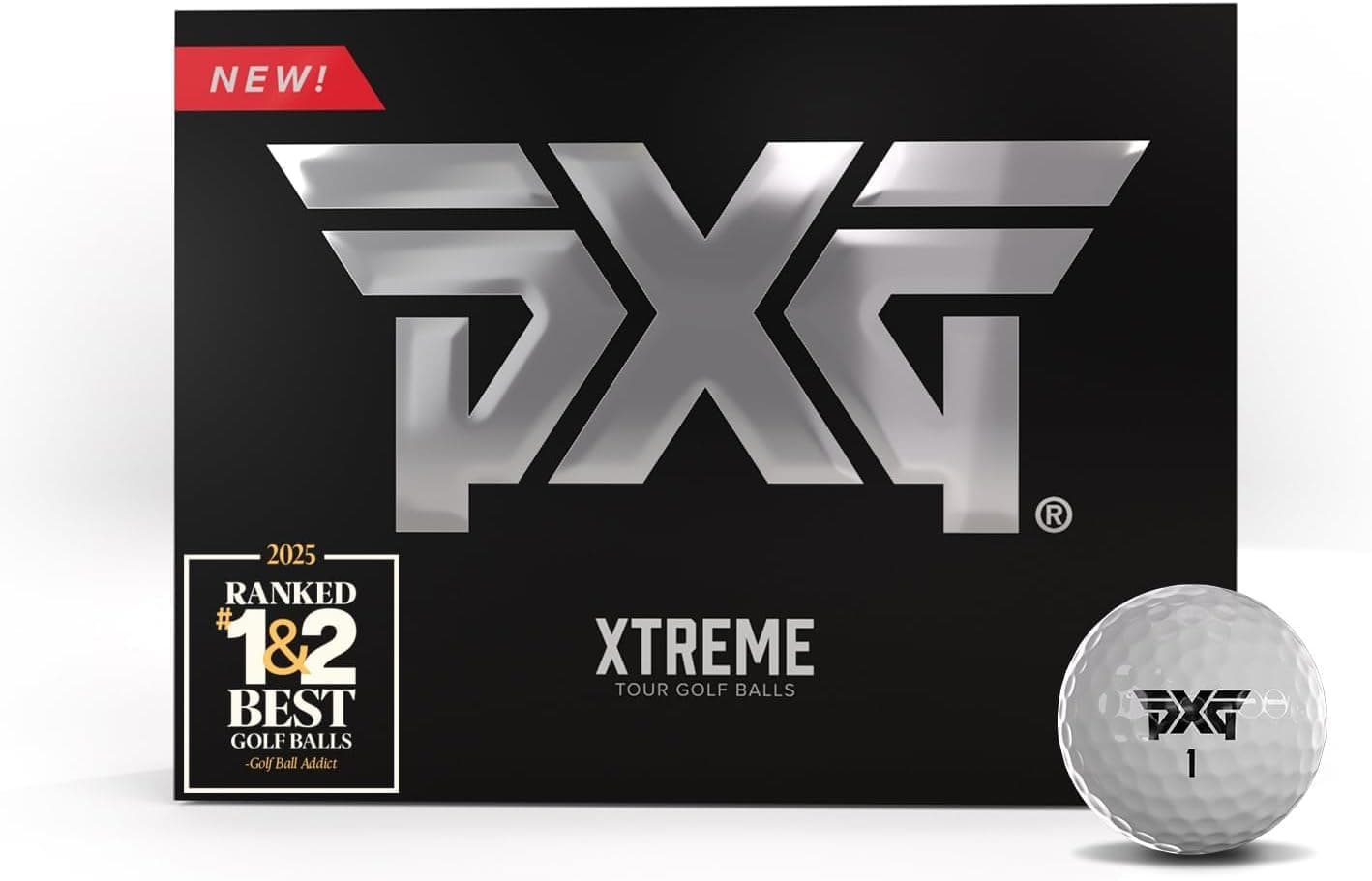
PXG Golf Xtreme Tour Golf Balls
From$39.99
Longer Drives Made Easy - Soft Feel with Lower Spin and Penetrating Trajector -Engineered with a high speed core and aerodynamic dimple pattern that helps golfers hit farther with less effort while keeping control. Ideal for players wanting more distance without changing their swing. Soft Control Near Greens - A premium urethane cover delivers excellent spin and a smooth feel on approach shots, chips, and pitches. Golfers gain better stopping power and greater confidence around the green, leading to lower scores and more predictable results. Premium Performance for Less - Tour-level distance, spin, and feel at a value-driven price that beats top brands. Ideal for golfers who want Pro V1 style performance without overspending, so they can play more rounds with a ball that truly matches their game. Trusted Flight in Wind - Designed for a penetrating flight that holds its line through tough conditions, helping golfers avoid ballooning shots. Perfect for players who struggle with inconsistent ball flight and want something stable from tee to green, regardless of the weather. Built To Last Rounds - A durable cover resists scuffs, cuts, and damage so golfers can play multiple rounds with the same ball. This helps maintain consistent performance and saves money over time, especially for players who practice often or play weekly.
#ad — As an Amazon Associate I earn from qualifying purchases.
PXG, long known for their high-end clubs, engineered the Xtreme Tour to offer genuine Tour-level performance at a fraction of the cost. Featuring a high-speed core for explosive distance and a premium urethane cover for aggressive greenside bite, this ball bridges the gap perfectly. If you want Pro V1-style performance but want to save enough money to buy a round of drinks at the 19th hole, this is your ball.
Another honorable mention in the DTC space is the Vice Pro Air Golf Balls, which caters specifically to medium swing speeds while retaining that coveted urethane cover.
Direct Comparison: Premium vs. Value vs. DTC
To make your decision easier, here is a breakdown of how the three categories stack up against each other:
| Feature | Premium Balls | Value Balls | DTC / Value-Premium |
|---|---|---|---|
| Price per Dozen | $45 - $55+ | $15 - $25 | $30 - $40 |
| Cover Material | Cast Urethane | Ionomer / Surlyn | Urethane |
| Construction | 3 to 5 Layers | 2 Layers | 3 to 4 Layers |
| Greenside Spin | High (Stops quickly) | Low (Rolls out) | High (Stops quickly) |
| Driver Spin | Low to Mid | Very Low | Low to Mid |
| Target Handicap | Low to Mid (0-12) | High (15+) | All Handicaps |
| Durability | Moderate | High | Moderate to High |
How to Choose the Right Ball for Your Game
So, how do you finally make the choice? It ultimately comes down to an honest assessment of your game. Use these three questions as your guide:
1. What is your swing speed? If you swing your driver under 90 mph, a high-compression premium ball will actually cost you distance because you won't be able to compress the core. Stick to a low-compression value ball like the Noodle, or a specifically designed lower-compression premium ball.
2. How many balls do you lose per round? Be honest with yourself. If you are consistently losing 4 to 6 golf balls every time you play 18 holes, playing a $5 premium ball is essentially setting a $20 bill on fire every weekend. Stick to value balls until your swing becomes more consistent and your lost-ball count drops to 1 or 2 per round.
3. How is your short game? Do you rely on spin to stop the ball near the pin, or do you prefer to play bump-and-run shots? If you like to fly wedges directly at the flag and watch them check up, you must play a urethane-covered ball (Premium or DTC). An ionomer value ball simply will not grip the clubface enough to generate that stopping power.
Conclusion: The Verdict on Your Next Sleeve
The golf ball is the only piece of equipment you use on every single shot. Finding the one that matches your swing characteristics and financial comfort zone is paramount to enjoying the game.
If you demand the absolute best in greenside control, shot-shaping ability, and Tour-validated technology—and you don't mind paying for it—go with a premium ball like the Callaway Golf Chrome Soft X Golf Balls.
If you want maximum distance, straight ball flights, and a price tag that lets you swing freely over water hazards, a value ball like the TaylorMade Noodle Long & Soft 15 BP Golf Balls is unmatched.
And if you find yourself squarely in the middle, desiring Tour-level spin without the Tour-level price, the PXG Golf Xtreme Tour Golf Balls offer the ultimate compromise.
Whichever you choose, stick with it. Playing the exact same ball model round after round is one of the easiest ways to improve your distance control and lower your scores. Hit 'em straight!
BirdieFinder.Golf is a participant in the Amazon Services LLC Associates Program, an affiliate advertising program designed to provide a means for sites to earn advertising fees by advertising and linking to Amazon.com.