
Escaping the Trap: Advanced Wedge Play Strategies and Bunker Rules Explained
Every golfer, from the weekend warrior breaking 90 to the seasoned Tour professional, knows the feeling: you struck your approach shot just a groove thin, the wind knocked it down, and now you’re staring at a steep-faced greenside bunker. Your heart sinks. Your grip tightens.
For many amateurs, the sand trap is a penalty area in all but name. But what if you could change your perspective? What if, instead of dread, you approached the sand with a swagger that says, "I can get this up and down"? Welcome to the ultimate guide to escaping the trap. Today, we are breaking down advanced wedge strategies, decoding crucial bunker rules, and reviewing the best wedges that will make splashing out of the sand your favorite part of the game.
The Physics of the Sand: Understanding Bounce and Grind
Before we dive into technique, we have to talk about equipment. You wouldn't use a putter to drive the ball off the tee, and you shouldn't use the wrong wedge configuration to hit out of the sand. The anatomy of your wedge dictates how it reacts when it hits the sand.
The Magic of Bounce
Bounce is the angle between the leading edge of your wedge and the lowest point of its sole. It is your best friend in a bunker. When used correctly, bounce prevents the clubhead from digging uncontrollably into the sand like a shovel.
- High Bounce (10° - 14°): Ideal for soft, fluffy sand. The large bounce angle acts like a pontoon boat, keeping the club skimming just under the surface. It prevents the club from digging too deep and leaving the ball in the bunker.
- Mid Bounce (7° - 9°): The versatile choice. Great for a variety of sand types and standard turf conditions. If you play on courses with inconsistent bunker sand, mid-bounce is your safest bet.
- Low Bounce (4° - 6°): Best for firm, wet, or packed sand. It is also favored by players with a highly precise, shallow angle of attack who like to pick the ball clean.
Getting on the Grind
The "grind" refers to the specific manipulation (or removal) of material from the sole of the club by the manufacturer. Different grinds allow you to open the clubface without the leading edge lifting too far off the ground. For example, a "C-Grind" features heel and toe relief, making it incredibly versatile for opening the face, while a "W-Grind" offers a wider sole for maximum forgiveness.
"Amateurs dig, professionals glide. Let the bounce and grind of your wedge do the heavy lifting in the sand."
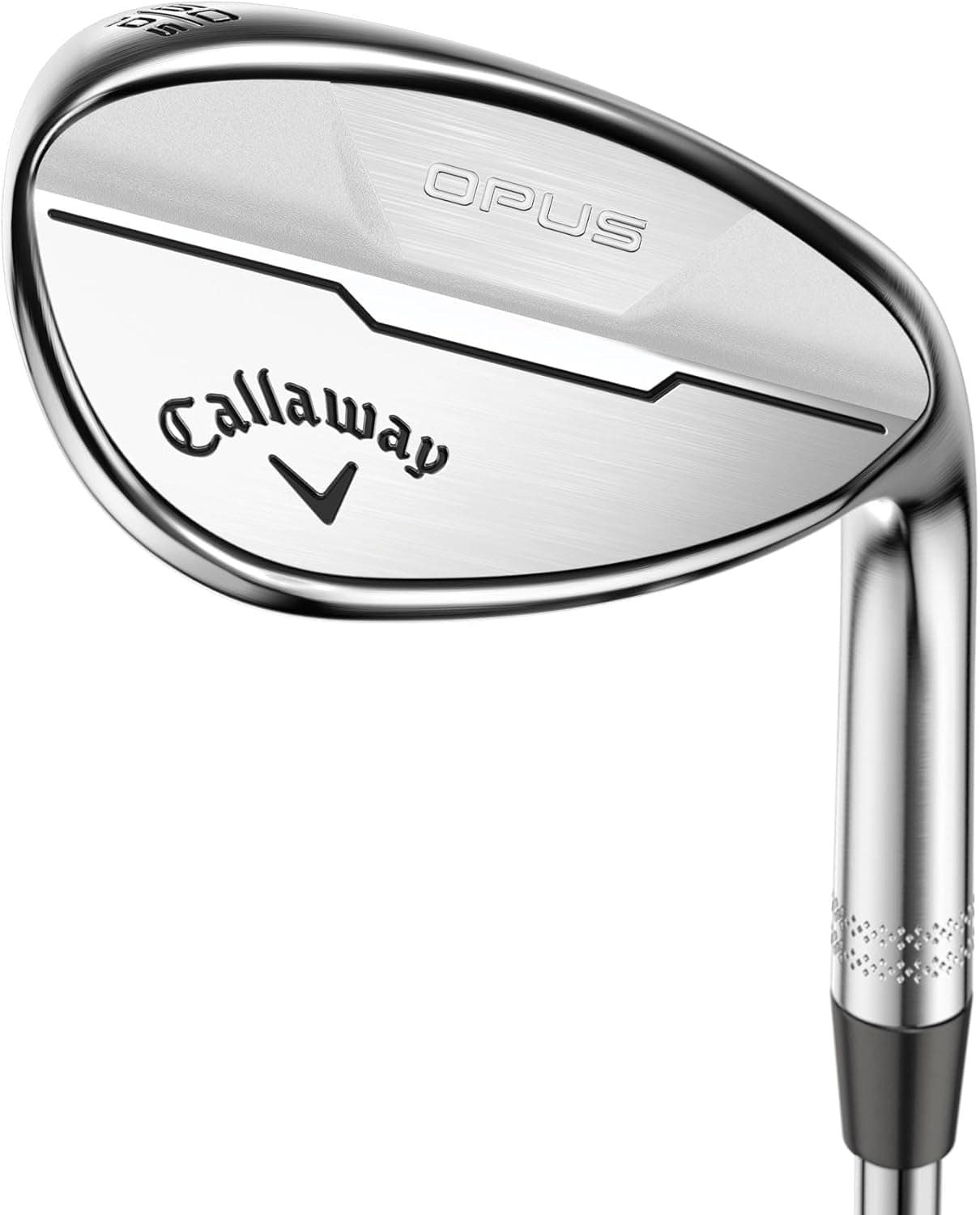
Callaway Golf Opus Wedge
From$139.99
Spin Gen Face Technology For Tour Level Spin Opus wedges are the most Tour-tested, Tour-validated shapes in Callaway history. A higher toe peak, radius in the leading edge, and easier hosel transitions make Opus our best wedge shape ever. Your technique travels with you, so finding the right grind for your swing is paramount in wedge play. With Opus, we have a complete lineup of sole shapes from narrow to wide, available in our popular S grind, forgiving W, versatile C, and Tour-favorite T grind.
#ad — As an Amazon Associate I earn from qualifying purchases.
If you're looking for a wedge that offers Tour-validated shapes and a variety of grinds tailored to your swing, the Callaway Golf Opus Wedge is a masterclass in modern design. With its Spin Gen Face Technology and higher toe peak, it gives you the confidence to open the face, engage the bounce, and trust the club to do the work.
Advanced Wedge Play Strategies for Bunkers
Now that you understand the tools, let's talk about the blueprints. The bunker requires an entirely different setup and mental approach than any grass lie. Here are three advanced strategies to elevate your bunker play.
1. The Standard "Splash" Shot
The standard greenside bunker shot is unique because it is the only shot in golf where you intentionally do not make contact with the golf ball. You are hitting the sand, and the sand is displacing the ball out onto the green.
- The Setup: Widen your stance significantly and dig your feet into the sand. This accomplishes two things: it lowers your center of gravity (ensuring you hit the sand behind the ball) and gives you a feel for the sand's depth and texture. Play the ball forward in your stance, just inside your lead heel.
- The Face: Open the clubface before you take your grip. A common mistake is taking a normal grip and twisting the wrists to open the face. At impact, your wrists will naturally return to square, and you will dig into the sand.
- The Swing: Cock your wrists early in the backswing to create a steeper angle of attack. You want a U-shaped swing rather than a sweeping V-shape.
- The Impact: Focus your eyes on a spot roughly two inches behind the golf ball. That spot is your actual target.
- The Finish: Accelerate! A decelerating clubhead is the number one cause of chunks in the bunker. Keep your chest turning toward the target and finish high.
Pro Drill - The Dollar Bill: Imagine the golf ball is sitting directly in the center of a crisp dollar bill. Your goal is to slide your wedge under the bill and toss the entire dollar out onto the green.
2. The Plugged Lie (The Fried Egg)
A plugged lie, affectionately known as the "fried egg," requires a drastic change in strategy. The standard splash shot will likely bounce off the crater of sand and blade the ball across the green.
- The Setup: Square the clubface or even close it slightly. For this shot, you need the leading edge to dig like an axe, not bounce like a skimboard. Play the ball directly in the middle of your stance.
- The Swing: Pick the club up very steeply with an aggressive wrist hinge and chop down directly into the sand right behind the ball.
- The Follow-Through: There is almost no follow-through on this shot. Leave the clubhead buried in the sand. The immense pressure of the sand will squeeze the ball out. Expect the ball to pop out with zero backspin and roll out significantly, so plan for a lot of release on the green.
3. The Long Greenside Bunker Shot (30-50 yards)
Often cited as the hardest shot in golf, the long bunker shot is a nightmare for weekend golfers. A standard sand wedge swing won't carry the distance, but trying to pick the ball clean with a full swing risks blading it over the green into worse trouble.
- The Strategy: Instead of swinging harder with your 60-degree or 56-degree wedge, simply club up. Grab a Gap Wedge, a Pitching Wedge, or even a 9-iron.
- The Execution: Open the face of the less-lofted club to engage its natural bounce, and play a standard splash shot. The lower loft will automatically produce the extra 20 to 30 yards of carry you need, all without requiring a violent, uncontrollable swing.
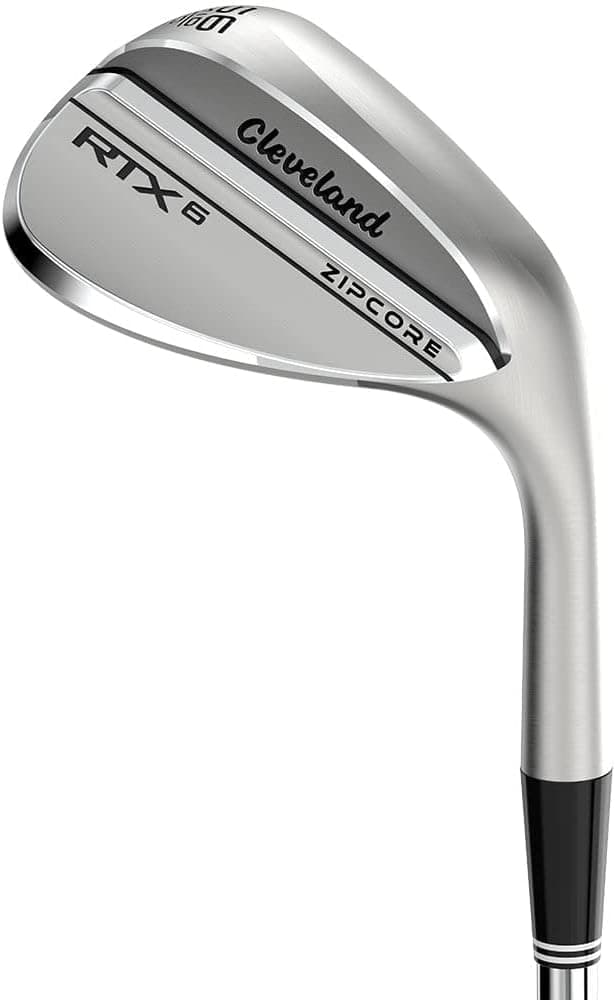
Cleveland Golf RTX 6 Zipcore Wedge
From$134.92
HydraZip A new, dynamic blast and laser-milled line system creates roughness to enhance friction—maximizing spin in any conditions and from anywhere around the green. Visually, RTX 6 ZipCore Wedge faces are more matte than last generation, reducing glare at address and standing out more from the hosel and toe par. ZipCore Our proprietary, low-density core technology has exponentially evolved for RTX 6 ZipCore, with up to 95% more ZipCore material. And by setting the CG right where you strike the ball, plus increasing MOI by up to 20%, this generation offers players increased spin, distance, consistency, feel, and control on every shot. UltiZip UltiZip features grooves that are sharper, deeper, and more tightly spaced. They slice through debris and bite harder for enhanced spin and control; channel more debris for better shot consistency; and are set closer together (compared to past TourZip Groove designs) so we can fit two more on the face for greater edge contact and absolute spin performance.
#ad — As an Amazon Associate I earn from qualifying purchases.
For those delicate, spin-heavy shots from tricky lies, the Cleveland Golf RTX 6 Zipcore Wedge is an absolute weapon. The HydraZip blast and laser-milled lines maintain friction even when the sand is damp, ensuring your ball bites hard when it finally hits the putting surface.
Decoding the Bunker Rules: What You Can and Can't Do
The USGA and R&A updated the Rules of Golf significantly in 2019, and the bunker rules saw some of the most player-friendly changes in history. However, severe penalties are still lurking for the uninformed golfer. Knowing the rules can save you strokes and embarrassment.
What is Legal? (No Penalty)
- Removing Loose Impediments: You can now safely remove loose stones, leaves, twigs, pinecones, and other loose impediments in a bunker. Just be extremely careful—if your ball moves while you are removing an impediment, you incur a one-stroke penalty.
- Leaning on Your Club: You can lean on your club in the bunker to rest, stay balanced while walking, or prevent a fall.
- Unplayable Lie Relief: If your ball is buried in a sheer face or completely unhittable, you now have an option to drop outside the bunker. You must drop on a direct line backward from the hole. The catch? This specific relief option costs two penalty strokes.
What is Illegal? (Two-Stroke Penalty)
- Touching the Sand to Test Conditions: You cannot intentionally touch the sand with your hand, foot, or club to test its condition or depth.
- Grounding Your Club at Address: You still cannot rest your clubhead on the sand right in front of or behind the ball when addressing it.
- Touching the Sand During Your Practice Swing: Keep your practice swings above the surface or take them outside the bunker. Hitting the sand during a practice swing inside the hazard is an automatic penalty.
- Touching the Sand During Your Backswing: If your club grazes the sand on the way back before making your forward stroke, it is a penalty. Keep the club hovering.
Top Wedges to Transform Your Bunker Game
Finding the right wedge is about matching the club's profile to your swing type, local course conditions, and aesthetic preferences. Let's compare three of the absolute best wedges available right now for escaping the trap.
| Feature | Callaway Opus | TaylorMade MG5 | Cleveland RTX 6 Zipcore |
|---|---|---|---|
| Key Technology | Spin Gen Face Tech | Spin Tread Technology | HydraZip & UltiZip |
| Feel / Material | Tour-Validated, Crisp | Forged Carbon Steel, Ultra-Soft | Solid, Balanced Density |
| Best Used For | Unmatched Grind Versatility | Wet Sand, Premium Soft Feel | Maximum Spin Consistency |
| Glare Reduction | Medium | High (Raw Face Rusts) | Maximum (Matte Finish) |
Pros & Cons Breakdown
Callaway Opus Wedge
- Pros: Incredible grind options (S, W, C, and Tour-favorite T); exceptional turf interaction; forgiving leading edge radius that prevents digging.
- Cons: The sheer multitude of grind and bounce options can be overwhelming for beginners to fit properly without a professional.
TaylorMade Milled Grind 5 Wedge SB
- Pros: Machine-milled soles for 100% perfect manufacturing consistency; the raw face spins incredibly well in wet sand/morning dew; ultra-soft forged feel.
- Cons: The raw face is designed to rust over time. While purists love the rusted look and glare reduction, players wanting a pristine, shiny wedge for years will dislike it.
Cleveland RTX 6 Zipcore Wedge
- Pros: Maximum MOI (Moment of Inertia) for insane forgiveness on off-center hits; HydraZip technology makes it almost completely weatherproof; tightly spaced UltiZip grooves slice right through sand debris.
- Cons: Slightly lower-density feel on center strikes compared to fully forged options.
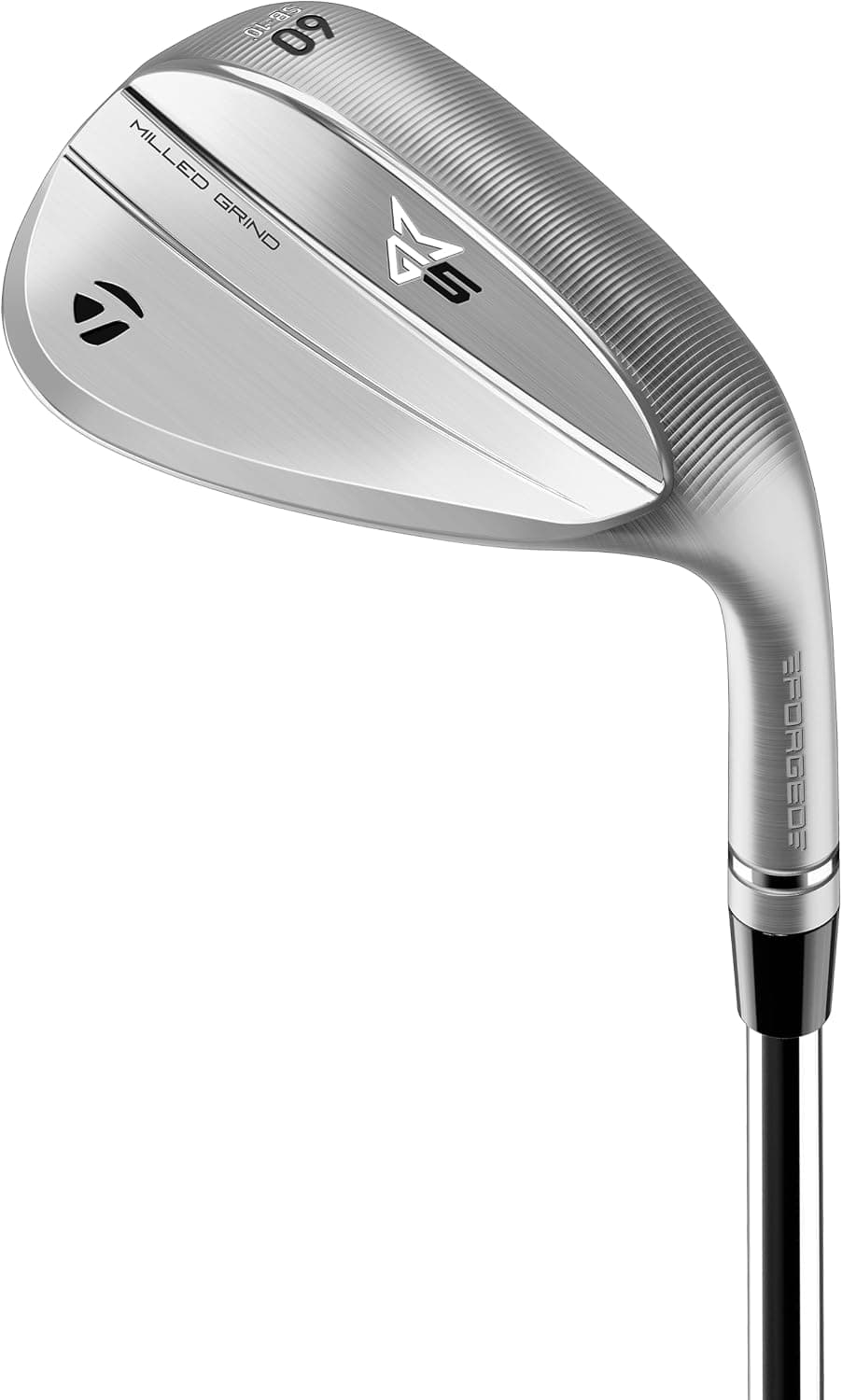
TaylorMade Golf Milled Grind 5 Wedge SB
From$199.99
Forged Feel In order for your short game to shine, world-class feel is a must. That’s why MG5 wedges are fully forged from ultrasoft carbon steel to provide you consistent soft feel and responsiveness when everything is on the line. More Spin and Control MG5 wedges employ all-new aggressive saw-milled grooves to help take your short game to the next level. Redesigned with ultra-tight tolerances, steeper walls and sharper radii, the grooves produce more spin for maximum control on every shot. Consistent Performance in All Conditions MG5 wedges utilize Spin Tread Technology and a RAW face finish to help you maintain more spin and control, even in wet conditions. Just like tire treads keep your car connected to the road, Spin Tread Technology redirects water away from the clubface and increases friction with the ball at impact. Tour-Inspired Grinds for Maximum Playability The MG5 line of wedges was inspired by feedback from the world’s best players, and designed by our world-class wedge craftsman, Greg Cesario. Consisting of six different precision-milled grinds for all matter of swing types and playing conditions, MG5 wedges allow golfers to build the perfect wedge makeup for their game.
#ad — As an Amazon Associate I earn from qualifying purchases.
If you regularly struggle with maintaining spin in wet, heavy, compacted sand, the TaylorMade Golf Milled Grind 5 Wedge SB is a literal game-changer. Its Spin Tread Technology acts just like a premium car tire tread, channeling water and moisture away to ensure the ball meets pure metal. This results in predictable, aggressive spin out of even the worst lies.
Conclusion: Embrace the Sand
The bunker doesn't have to be a scorecard-ruiner. In fact, many Tour pros prefer being in a greenside bunker over deep rough, simply because the spin and rollout are much more predictable from the sand.
By equipping yourself with the right wedges—understanding your personal grinds and bounces—and applying these advanced strategies, you can turn a daunting hazard into a true scoring opportunity.
Remember to widen your stance, keep your lower body quiet during the swing, completely commit to your target, accelerate through the sand, and let the loft and bounce do the work. And, of course, keep those updated USGA rules in mind so you don't accidentally tack two unnecessary penalty strokes onto your hard-earned score!
Get out to the practice trap, try the "dollar bill" drill with one of these premium wedges, and start splashing it close. Escaping the trap is just a good swing away.
BirdieFinder.Golf is a participant in the Amazon Services LLC Associates Program, an affiliate advertising program designed to provide a means for sites to earn advertising fees by advertising and linking to Amazon.com.