
Blade vs. Mallet: Finding Your Perfect Roll with Odyssey AI-One, TaylorMade Spider, and PXG Putters
Welcome back to BirdieFinder.Golf, your premier destination for honest, in-depth golf equipment reviews. Today, we are tackling the most debated, analyzed, and crucial topic in a golfer's bag: the putter. Specifically, we are diving deep into the age-old battle of Blade vs. Mallet.
They say you drive for show and putt for dough, and it couldn't be more accurate. You use your putter on nearly every single hole, making it the most frequently used club in your bag. Yet, so many weekend warriors and even seasoned low-handicappers settle for a flatstick that fundamentally clashes with their putting stroke.
In this comprehensive guide, we'll break down the mechanical and psychological differences between blade and mallet putters. We will also analyze how modern engineering from top brands is changing the game, specifically looking at the revolutionary Odyssey AI-One, the incredibly stable TaylorMade Spider series, and the precision-milled PXG putters. By the end of this article, you'll know exactly which style of putter belongs in your bag.
The Classic Appeal: Blade Putters Explained
For decades, the blade putter was the undisputed king of the greens. Picture the iconic putters used by legends like Arnold Palmer, Jack Nicklaus, and Tiger Woods. A blade putter features a traditional, relatively straight clubhead that is generally toe-heavy.
Characteristics of a Blade Putter
- Toe Hang: Most blades are designed with toe hang, meaning if you balance the shaft on your finger, the toe points downward to the ground. This helps the putter face open and close naturally during the stroke.
- Feel and Feedback: Blades typically offer superior feedback. When you strike it pure, you know it. When you catch it off the toe, your hands feel it instantly.
- Aesthetics: There is a sleek, minimalist beauty to a blade putter. It looks clean behind the ball and appeals to purists.
Who Should Use a Blade?
Blades are ideal for golfers with a strong arc in their putting stroke. Because of the toe hang, the putter head naturally wants to open on the backswing and close on the follow-through. If you rely heavily on "feel" and distance control, a blade can be an extension of your hands.
If you're looking for a stunning, traditional blade with modern milling, the Cobra Golf Classic Blade Putter is an exceptional choice.
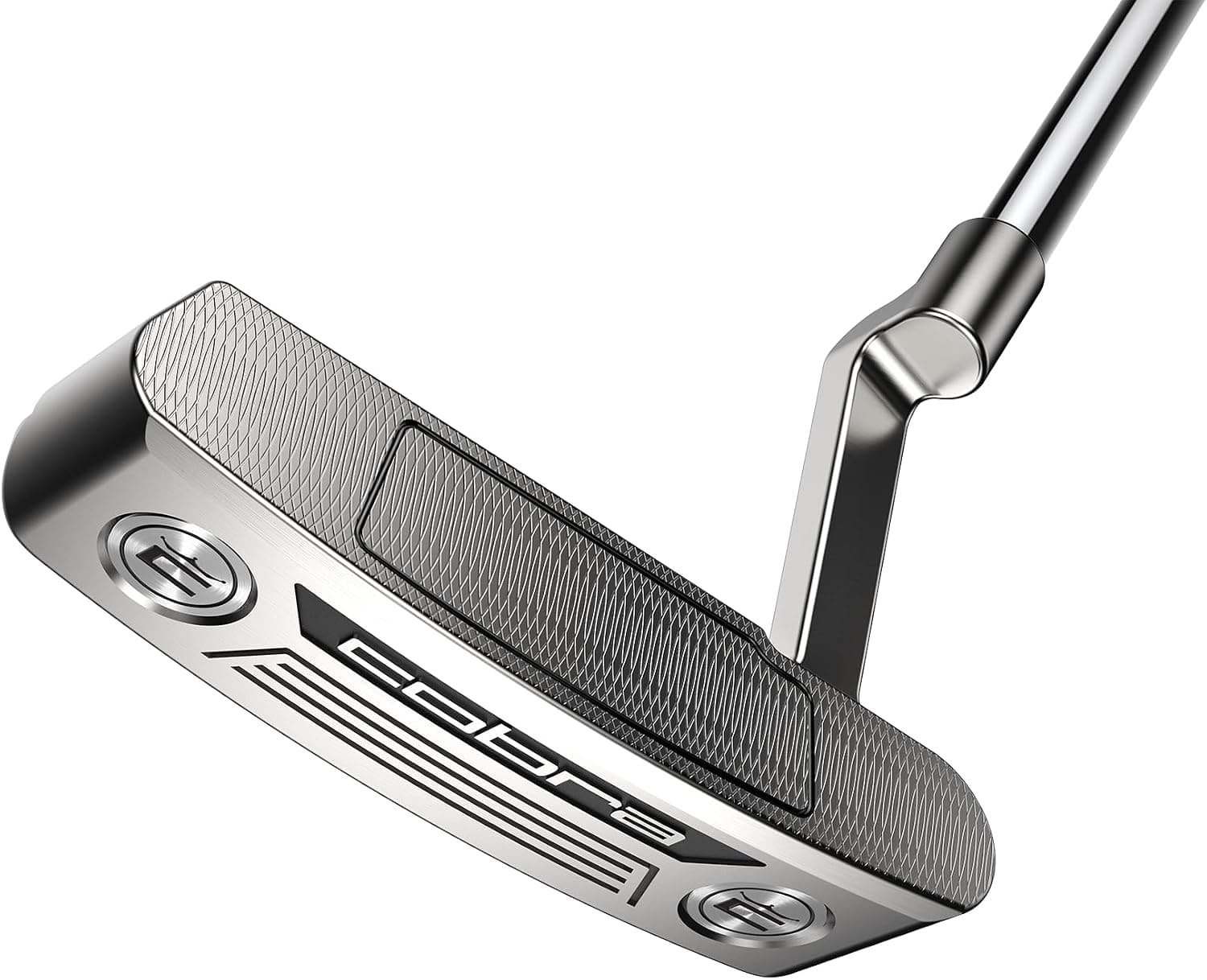
Cobra Golf Classic Blade Putter
$129.00
CNC-Machined Face - CNC-machined for precision and consistency, the face produces a soft feel with a clean, confident sound at impact. Tour-Inspired Alignment- A clean topline and a single sightline deliver a confident setup and control. Stable. Solid. Trusted- The traditional steel shaft remains the gold standard for consistency and control. Its inherent stability keeps the head steady through impact, promoting a smooth, repeatable stroke.
#ad — As an Amazon Associate I earn from qualifying purchases.
With its CNC-machined face, it delivers a whisper-soft feel while providing the exact, tour-inspired alignment that blade purists demand.
Pros & Cons of Blades
Pros:
- Unmatched feel and feedback on center strikes.
- Ideal for arc-style putting strokes.
- Easy to manipulate for breaking putts.
- Classic, confidence-inspiring looks.
Cons:
- Lower MOI (Moment of Inertia) means less forgiveness on off-center hits.
- Smaller sweet spot.
- Can easily twist at impact if not struck cleanly.
The Modern Marvel: Mallet Putters Explained
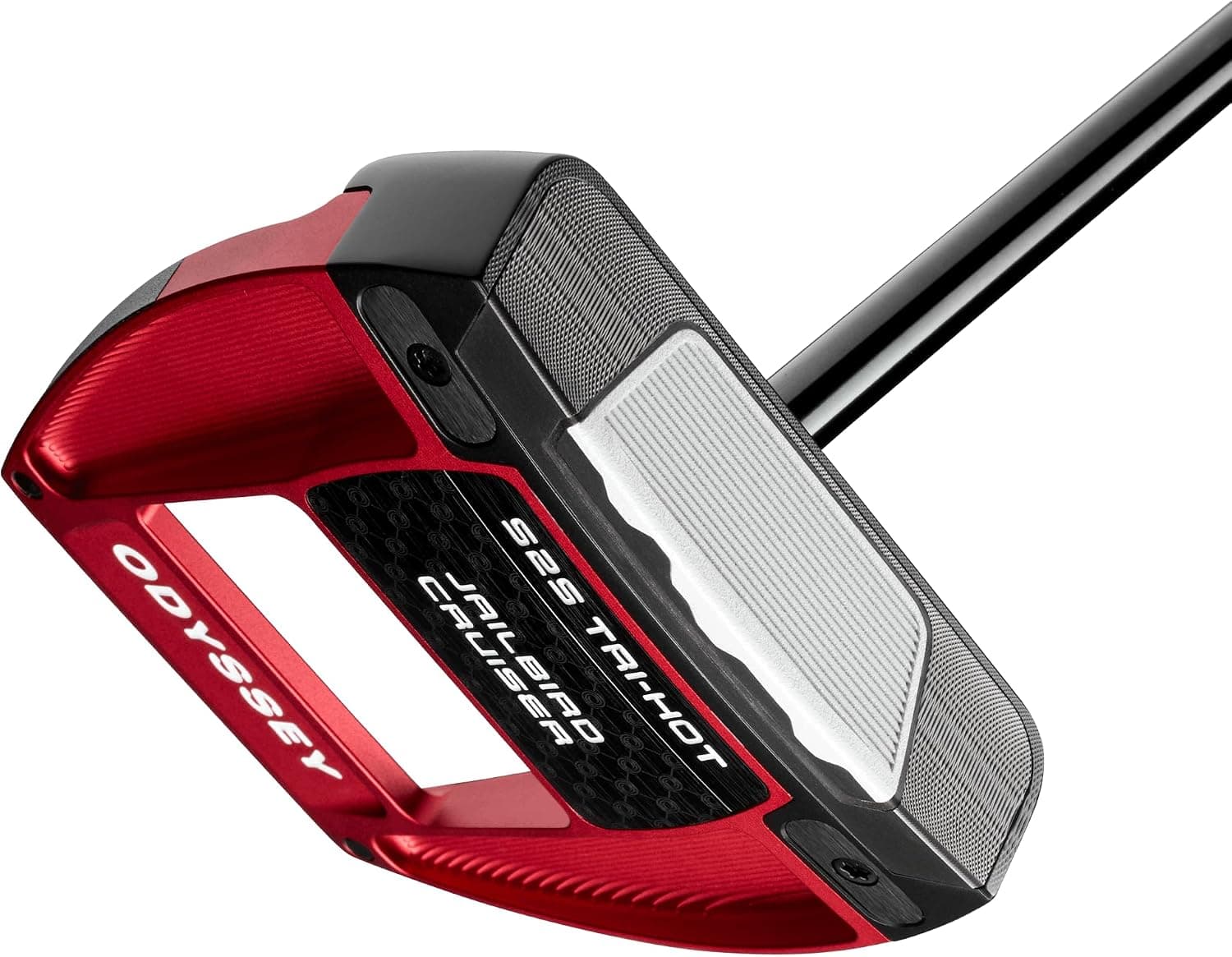
Odyssey Golf S2S Tri Hot Putter Jailbird Cruiser
$600.70
A breakthrough in Zero-Torque putter design, Odyssey's all-new S2S TRI-HOT multi-material construction advances the Zero-Torque category by eliminating shaft lean and positioning the shaft closer to the face than other putters in it's class. The S2S TRI-HOT Jailbird features Odyssey's most advanced insert ever, the two-layer urethane Ai-DUAL design delivers consistent ball speed across the face and improved forward roll. By strategically using Aluminum, Steel, and over 140 grams of tungsten we have been able to design a “Zero Torque” putter with more than 80% of it’s weight under the topline and allowing for our forward CG and hosel position. Designed using Artificial Intelligence, this dual-layer urethane insert has a soft outer layer and a firm inner layer delivering not only consistent ball speed across the face, but also enhanced forward roll up and down the face and amazing feel. This new Forward Roll Design groove design is deeper and more aggressive with a 19° slope it works in conjunction with the dual layer design to improve forward roll up and down the face. This black PVD shaft, developed based on Tour player feedback, is heavier and stiffer than our SL 90 and ideally suite for this style of putter.
#ad — As an Amazon Associate I earn from qualifying purchases.
If blades are the classic muscle cars of golf, mallets are the modern supercars packed with computer-aided driver assists. Over the past twenty years, mallets have exploded in popularity on both the weekend municipal courses and the PGA Tour.
Characteristics of a Mallet Putter
- High MOI: Mallets are larger and distribute weight to the perimeter and back of the clubhead. This dramatically increases the Moment of Inertia, meaning the putter head resists twisting when you miss the sweet spot.
- Face-Balanced: Many mallets are face-balanced (the face points straight up when balanced on your finger). This caters to a straight-back, straight-through stroke.
- Advanced Alignment: The larger footprint allows manufacturers to paint long, high-contrast alignment lines, arrows, or dots to help golfers aim perfectly.
Who Should Use a Mallet?
Mallets are perfect for golfers who struggle with consistency, push or pull their putts, or utilize a straight-back, straight-through putting stroke. If you want maximum forgiveness and help lining up your putts, a mallet is your best friend.
Pros & Cons of Mallets
Pros:
- Massive sweet spot with incredible forgiveness.
- Superior alignment aids.
- Maintains ball speed on off-center strikes.
- Highly stable through the impact zone.
Cons:
- Can feel "clunky" to traditionalists.
- Slightly muted feedback compared to a milled blade.
- Harder to manipulate on severe breaking putts.
Deep Dive: Top Putters on the Market
Now that we understand the core differences between blades and mallets, let's examine how the industry's heavyweights are pushing the boundaries of putter technology.
1. Odyssey AI-One: The Future of Face Technology
Odyssey has long been the #1 putter in golf, but their AI-One lineup is arguably their biggest leap forward in a decade. Utilizing Artificial Intelligence (similar to how Callaway designs their driver faces), Odyssey mapped out thousands of off-center putting strokes to design an insert with varying thicknesses.
Pro Tip: The Odyssey AI-One insert ensures that even if you strike the ball off the toe or heel, it rolls almost precisely the same distance as a dead-center strike.
Available in both blade (like the classic #1 or #2) and mallet (like the iconic #7 or Rossie) shapes, the AI-One features a co-molded aluminum and urethane insert. It delivers that legendary White Hot feel but with computer-engineered distance control. If your biggest issue is leaving lag putts short because of slight mis-hits, the AI-One is a game-changer.
2. TaylorMade Spider: The Ultimate in Stability
When Jason Day dominated the tour with his red TaylorMade Spider a few years ago, it shifted the paradigm of mallet putters. Today, the Spider franchise (including the Spider Tour, Spider X, and Spider GT) remains the gold standard for high-MOI mallets.
TaylorMade uses a multi-material construction, combining lightweight aluminum crowns with heavy tungsten sole weights pushed to the extreme perimeters.
The standout feature of the Spider is the True Path Alignment system. The optically engineered channel on the top of the putter creates a clear visual path to the hole, making it astonishingly easy to square the face. The Spider also features TaylorMade's Pure Roll insert, which places grooves at a 45-degree downward angle to reduce skidding and get the ball rolling end-over-end faster.
3. PXG Putters: Precision Engineering and Custom Weighting
Parsons Xtreme Golf (PXG) approaches putters with the same no-holds-barred mentality they apply to their irons. The Battle Ready II putter lineup is an engineering marvel.
Unlike traditional solid-body putters, PXG utilizes a hollow-body construction filled with their proprietary S COR polymer (similar to their iron tech). This allows them to push mass to the very edges of the putter, creating mallet-like forgiveness even in their blade models (like the Brandon or Mustang).
Furthermore, PXG putters offer unparalleled customization. The sole of a PXG putter features adjustable precision weighting ports. This means a fitter can perfectly dial in the swing weight and balance to match your specific stroke, whether you need a heavy head for slow greens or a lighter setup for fast, tour-level surfaces.
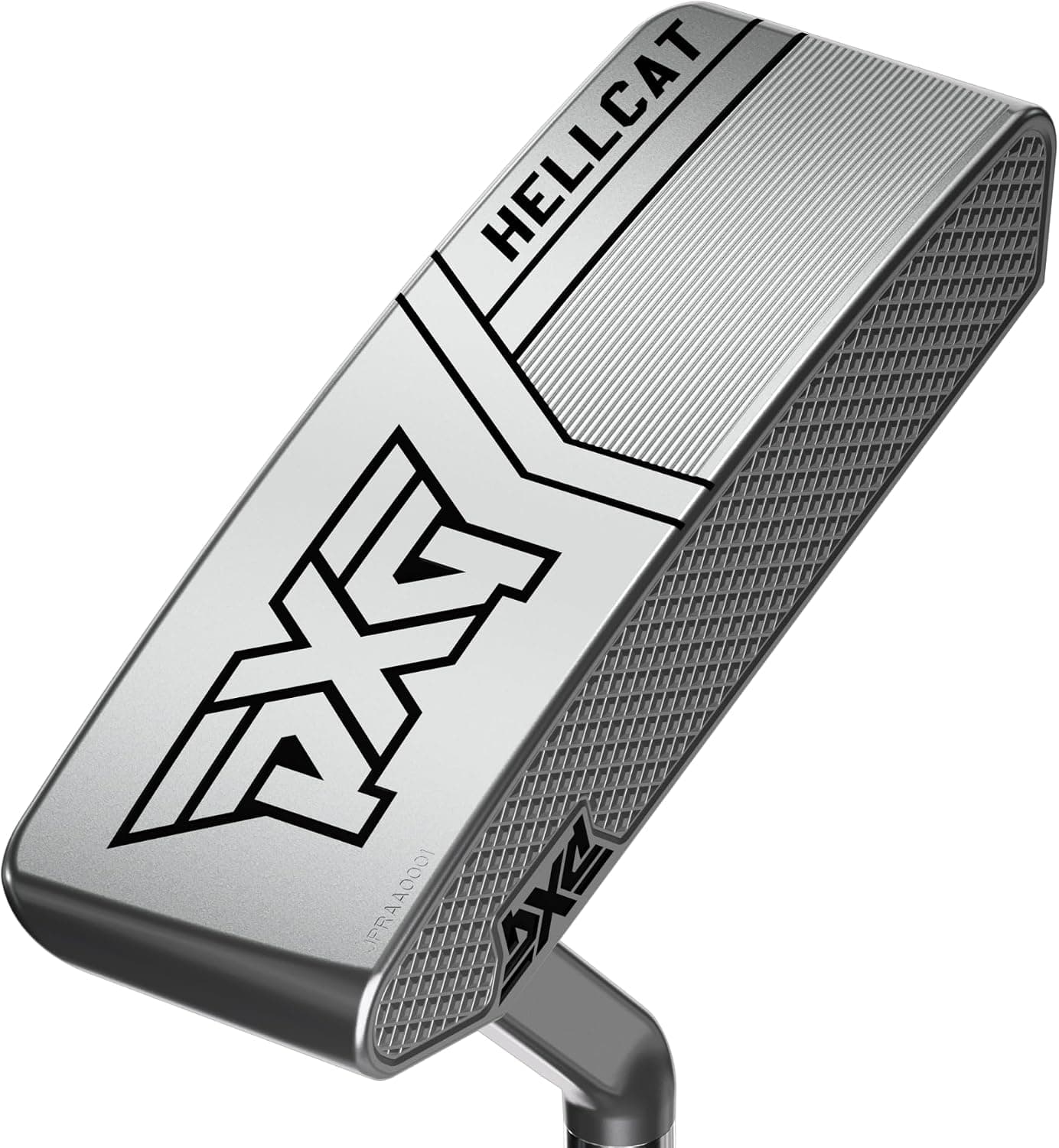
PXG Golf ZT Putter Zero Torque for Men - Right Handed
$249.99
Stops face twist – Zero Torque design keeps the putter face square by placing the shaft axis just above the center of gravity, reducing unwanted torque and helping you hit straighter, more reliable putts consistently. Easy forward press – Built-in 1 degree forward press puts your hands in the right spot at address without extra effort, promoting a smoother launch and more consistent roll for better control and confidence on every putt. Soft, solid feel – MIM 303 stainless steel construction delivers a smooth, responsive touch with a clean, classic blade shape. It’s tour-proven, corrosion-resistant, and precision-shaped for premium control and balance. Rolls true every time – The precision-milled pyramid face pattern improves contact quality, softens feel, and enhances roll consistency across the entire face, even on off-center hits or less-than-perfect strokes. Rock-steady stroke – 370g head and toe-up balance resist face rotation and help square the putter through impact, giving you a smoother, more stable stroke from start to finish, especially on short pressure putts.
#ad — As an Amazon Associate I earn from qualifying purchases.
Head-to-Head Comparison: Blade vs. Mallet
To make your decision easier, let's look at a side-by-side comparison of the two styles:
| Feature | Blade Putters | Mallet Putters |
|---|---|---|
| Best For | Arc Stroke | Straight-Back-Straight-Through Stroke |
| Forgiveness | Low to Medium | Very High |
| Distance Control | Driven by player feel | Assisted by high MOI |
| Alignment Aids | Minimal (single dot or line) | Extensive (long lines, True Path, geometric shapes) |
| Center of Gravity | Closer to the face | Deep and pushed back |
| Feedback | Immediate and distinct | Muted and stable |
How to Choose the Right Putter for Your Stroke
Finding your perfect roll comes down to a blend of mechanics, aesthetics, and confidence. Here is a step-by-step guide to choosing your weapon:
Step 1: Analyze Your Stroke Path
Set up your phone and record your putting stroke from directly behind the target line. Do you take the putter straight back and straight through? If so, you need a face-balanced mallet. Does your putter head travel in a slight arc, opening like a door on the backswing and closing through impact? You are a prime candidate for a blade with toe hang.
Step 2: Identify Your Common Miss
If you constantly struggle with distance control (leaving putts 3 feet short or blowing them 4 feet past), a mallet with high MOI—like the TaylorMade Spider or an Odyssey AI-One mallet—will help normalize your ball speeds. If your miss is directional (pushing or pulling), a blade might help you "feel" the face rotation better to square it up.
Step 3: The Eye Test
Never underestimate the power of aesthetics. You have to love looking down at your putter. If a massive mallet looks distracting to you, you will never putt well with it, regardless of the technology. Conversely, if a skinny blade terrifies you on a 4-foot slider, grab a mallet.
Completing Your Arsenal: Beyond the Putter
While finding the perfect putter is crucial for scoring, golf is a holistic game. To truly optimize your performance, your entire bag needs to be dialed in.
Getting off the tee with confidence is just as important as finishing the hole. For exceptional speed and forgiveness, we highly recommend pairing your new short-game setup with the TaylorMade Golf SIM2 MAX Driver.
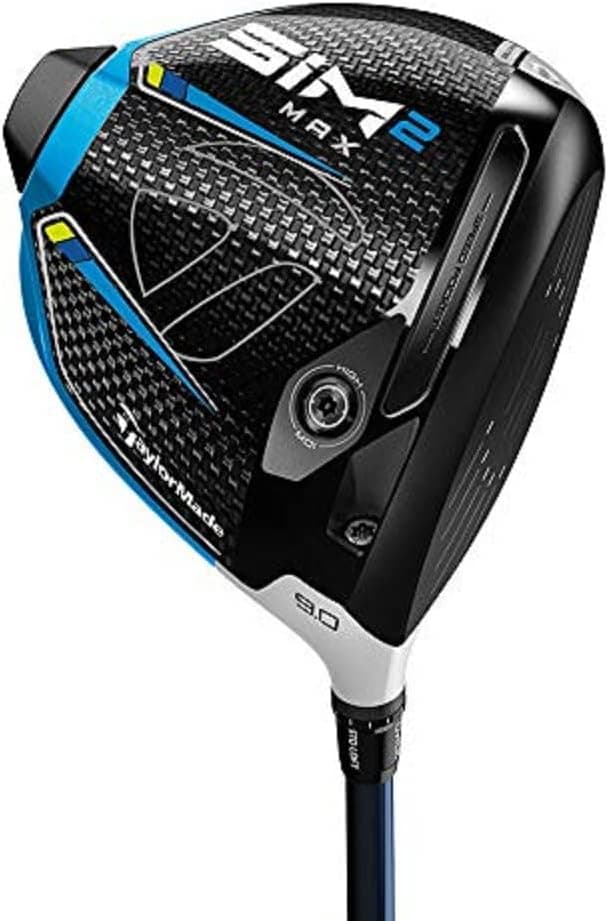
TaylorMade Golf SIM2 MAX Driver
$349.98
New Forged Ring Construction. Forged from a lightweight and high strength aluminum that is milled to an exacting shape, it unites a massive rear weight, a full carbon sole, crown and a new milled back cup face. SIM Inertia Generator. The asymmetric Inertia Generator is designed to provide faster club head speed through advancedgeometry and aerodynamic analytics. Speed Injected Twist Face. Improves ball speed by calibrating each head to the threshold of the legal speed limit with corrective face curvature also protecting against heel and toe mis-hits. Thru-Slot Speed Pocket. Our most flexible Speed Pocket design engineered to maximize ball speeds and produce additional forgiveness on low face strikes. Split Mass Weighting. Designed to enhance forgiveness while allowing for pinpoint target swing weights during custom assembly.
#ad — As an Amazon Associate I earn from qualifying purchases.
With its Forged Ring Construction and asymmetric Inertia Generator, the SIM2 MAX driver provides the same philosophy as a mallet putter: massive MOI and incredible forgiveness, ensuring that your drives find the fairway even on off-center strikes.
Furthermore, stability starts from the ground up. You can't execute a perfect putting stroke if your feet are sliding around on wet morning greens. Upgrading your footwear to the Puma Men's Fusion Crush Sport Golf Shoe will lock down your stance.
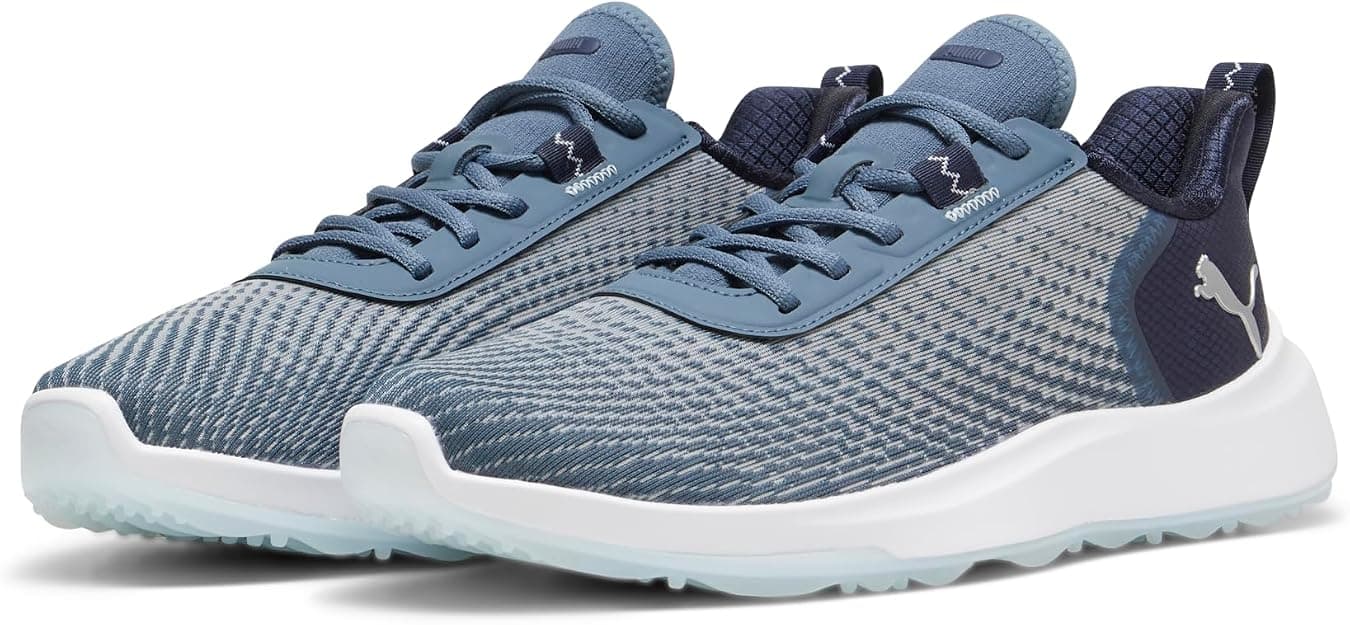
Puma Men's Fusion Crush Sport Golf Shoe
$49.99
ALL-DAY COMFORT: Full-length FUSIONFOAM with soft EVA and responsive rubber cushioning keeps you energized. These men's golf shoes deliver lasting comfort through long rounds on the course. STAY DRY, PLAY HARD: Waterproof mesh upper keeps feet dry in any weather. Designed as spikeless golf shoes for men, they let you focus on your swing without worrying about soggy socks. SUPERIOR TRACTION: Dual-zone spikeless outsole made from durable rubber grips every surface. These mens golf shoes spikeless give stability and confidence for smooth, controlled swings. BREATHABLE SUPPORT: Engineered mesh with breathable membrane lets heat out while keeping elements away. Stay fresh and focused in these breathable golf shoes designed for long play. EASY ENTRY FIT: EVERSTRETCH bootie construction makes slipping into your golf sneakers men effortless. The snug fit supports movement, blending style and performance on and off the course.
#ad — As an Amazon Associate I earn from qualifying purchases.
These shoes feature waterproof mesh and a dual-zone spikeless outsole that grips the turf securely, allowing you to focus entirely on your swing and stroke.
Final Thoughts: The Perfect Roll Awaits
The Blade vs. Mallet debate will never have a single, definitive winner, because golf is not a one-size-fits-all game.
The traditional blade, exemplified by beautifully crafted pieces like the Cobra Golf Classic Blade, offers purists the ultimate feel and control for an arcing stroke.
Meanwhile, the modern mallet brings scientific forgiveness to the masses. Whether it's the AI-driven consistency of the Odyssey AI-One, the unshakeable stability of the TaylorMade Spider, or the military-grade precision weighting of PXG, there has never been a better time to upgrade your flatstick.
We recommend heading to your local pro shop or a specialized fitter to test out both styles. Feel the difference in the weighting, look at the alignment lines, and watch how the ball rolls. Your perfect putter is out there—go find it, and start draining more birdies.
Happy golfing from all of us here at BirdieFinder.Golf!
BirdieFinder.Golf is a participant in the Amazon Services LLC Associates Program, an affiliate advertising program designed to provide a means for sites to earn advertising fees by advertising and linking to Amazon.com.